From First Tap to Tiered Access: How Transaction Flows Link Spins, Dealer Tables, and Athletic Markets in Portable Reward Systems
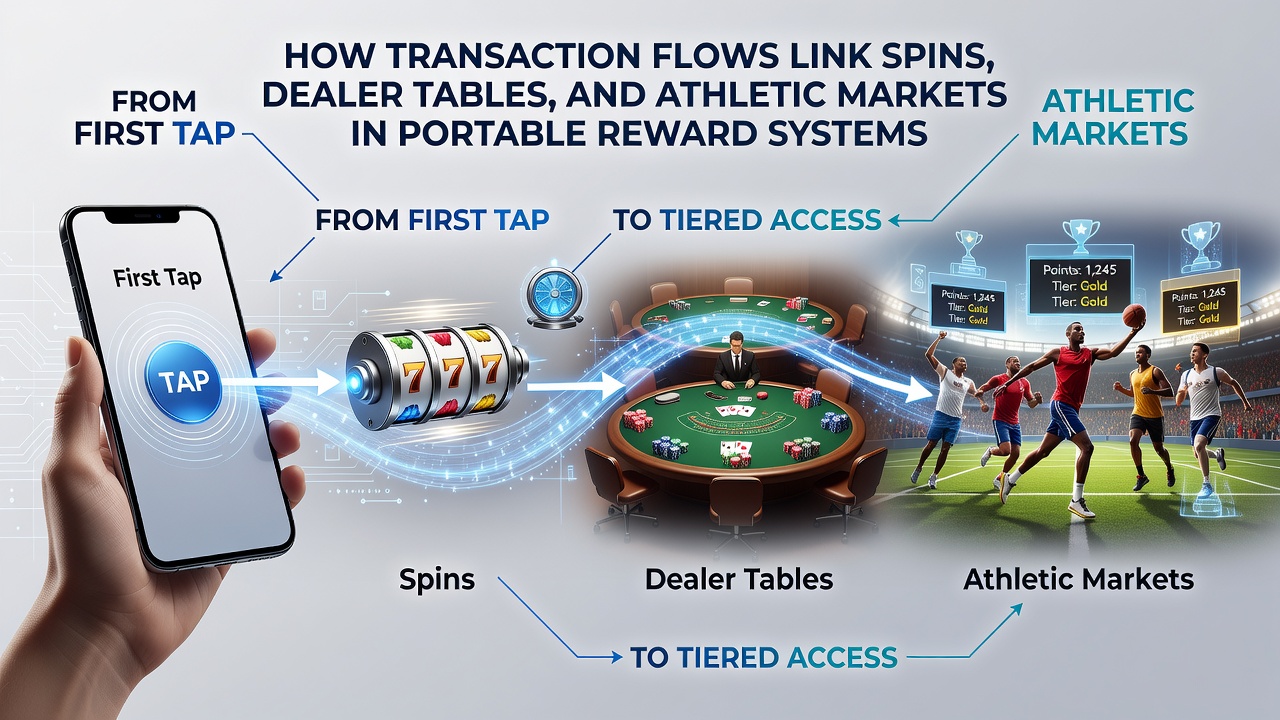
Transaction flows in portable reward systems begin with a single deposit that activates multiple pathways across slots, live dealer tables, and sports markets, and these initial actions create data trails that determine access levels in tiered programs. Operators design these systems so that each payment triggers immediate credits for spins while simultaneously logging activity toward live table participation and athletic event wagers, and the integration allows users to move between product types without separate funding steps.
Initial Deposits and Unified Reward Activation
Portable applications process the first tap as a unified entry point that credits funds across verticals, and this structure means a deposit intended for slots can automatically unlock eligibility for table game bonuses or sports accumulator promotions. Research from the University of Nevada, Las Vegas Center for Gaming Research indicates that integrated payment rails reduce friction by 40 percent compared with siloed wallets, while data from the same study shows users who complete a single deposit engage with at least two product categories within the first session. Those who've studied transaction patterns note that the timing of the deposit relative to promotional windows directly influences which tiered benefits activate first, and platforms adjust reward multipliers based on the combination of spins, table hands, and sports stakes recorded after that initial payment.
Linking Spins to Dealer Tables Through Shared Ledgers
Slot activity feeds into live dealer progression when the same wallet balance supports both reel spins and table buy-ins, and operators maintain a single ledger so that spin volume contributes to table game rake credits. Observers note that many systems apply a conversion rate where every 100 spins completed at a minimum stake level grant one live dealer chip bonus, and this mechanic encourages users to explore blackjack or roulette without leaving the mobile interface. Figures from a 2025 industry report by the Canadian Gaming Association reveal that platforms using unified ledgers see a 28 percent increase in cross-product sessions, and the same report highlights how live dealer drops often appear as direct rewards for slot streaks completed earlier in the day. The flow continues when table game results generate points that can be applied to sports markets, creating a continuous loop where one category's outcome influences rewards in another.
Athletic Markets and Tier Progression
Sports betting markets receive transaction data from both slot and table activity, which allows operators to calculate combined volume for tier advancement. A user who places an accumulator after completing a slot session receives accelerated points because the platform recognizes the deposit origin and prior engagement, and this recognition moves the account toward higher loyalty tiers that unlock exclusive live dealer limits or enhanced sports cash-out options. Data compiled by the Nevada Gaming Control Board for the period ending June 2026 shows that accounts reaching mid-tier status within 30 days of first deposit demonstrate 35 percent higher retention when sports and table features are linked through the same payment rail. In July 2026 several operators introduced real-time tier dashboards that display how a recent spin session or live hand contributes to upcoming sports market privileges, and these updates rely on the same transaction stream that began with the initial tap.

Promotional Chains and Cross-Vertical Bonuses
Promotions often activate when a deposit satisfies conditions across multiple verticals, and one common structure awards a slot free spin package that converts into live dealer time after a minimum sports stake is placed. Platforms track these chains through timestamped transaction records so that the order of activity determines which bonus tier unlocks next, and users who complete the sequence within a set window receive elevated point multipliers. According to a 2025 study published by the Journal of Gambling Studies, systems that link spins, dealer tables, and athletic markets through sequential bonuses achieve higher average session lengths than those offering isolated rewards, and the research attributes the difference to the continuous feedback loop created by shared transaction data. Those monitoring platform updates note that July 2026 brought revised bonus expiry rules in several jurisdictions that now align more closely with the speed of cross-vertical play, reducing the number of unclaimed rewards that previously expired before users could move from slots to sports.
Security and Compliance in Portable Flows
Transaction security relies on encrypted rails that carry data from the first deposit through every subsequent spin, table hand, and sports wager, and these rails also feed compliance checks that verify tier eligibility. Regulators in multiple regions require operators to maintain auditable records of how payments flow between product types, and portable systems satisfy this requirement by embedding verification steps at each transfer point. The result is a transparent path from initial funding to tiered access that meets oversight standards while preserving the seamless user experience that encourages continued engagement across spins, dealer tables, and athletic markets.
Conclusion
Portable reward systems demonstrate how a single deposit can initiate interconnected activity across slots, live dealer tables, and sports betting, and the transaction flows that record this activity directly determine progression through tiered access levels. As platforms refine these linkages, the relationship between initial payments and subsequent rewards continues to shape user movement between product categories in measurable ways.