Payment Synchronization: Expanding Layered Access in Mobile Reel Spins, Dealer Games, and Sports Markets
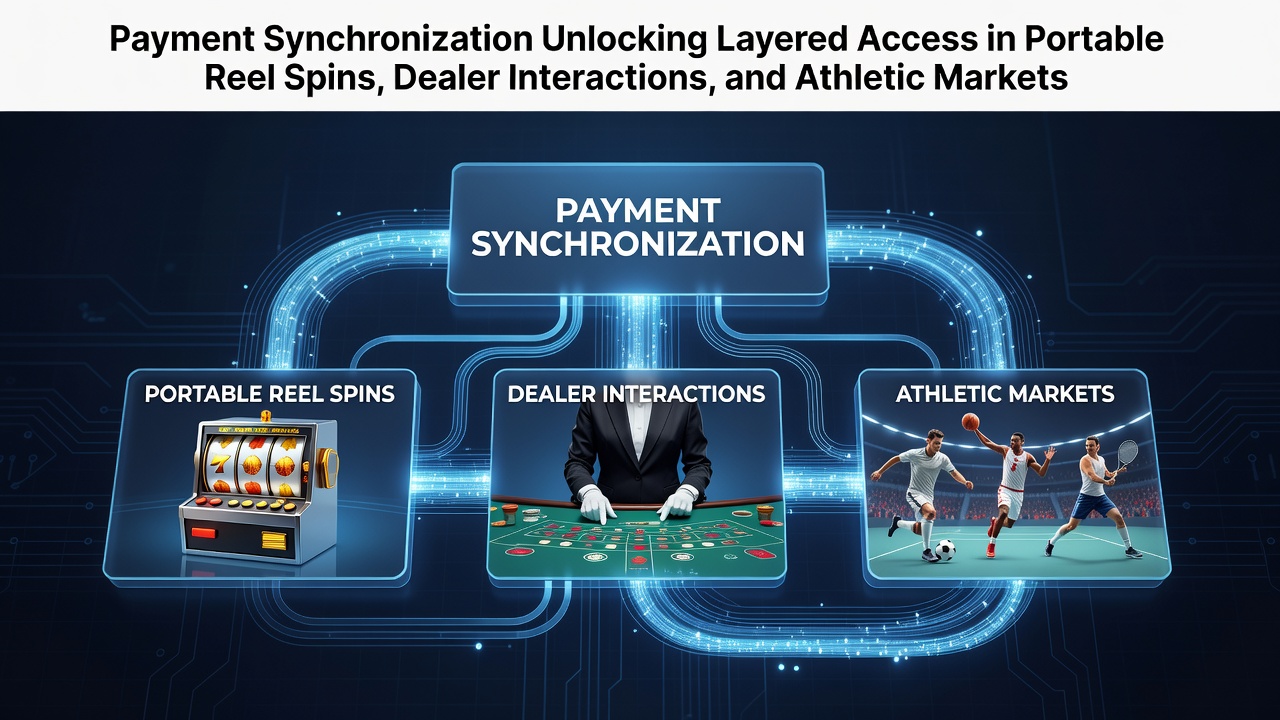 Payment synchronization connects deposit systems directly to user accounts across mobile platforms, allowing players to move between reel spins, live dealer sessions, and athletic markets without separate verification steps each time. This integration pulls transaction data into a central profile that tracks activity levels and triggers access to different reward layers based on total volume rather than isolated game types. Operators have built these systems to handle real-time updates where a deposit made during a slot session immediately registers toward live table requirements and sports accumulator thresholds. Data from industry tracking shows that synchronized payments reduce account setup time by linking banking details once and applying them across all verticals. In June 2026 several major platforms rolled out enhanced API connections that pull payment confirmations into unified dashboards, letting users see progress toward next-tier benefits without switching applications.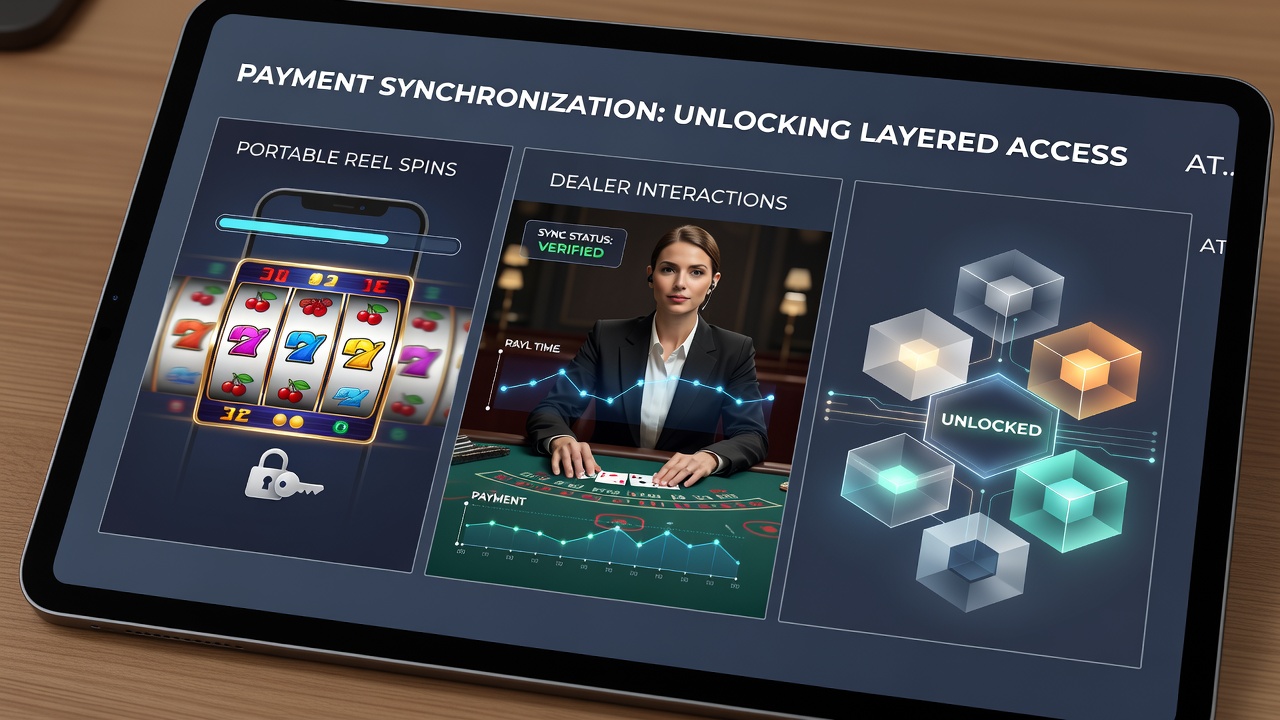
Payment synchronization connects deposit systems directly to user accounts across mobile platforms, allowing players to move between reel spins, live dealer sessions, and athletic markets without separate verification steps each time. This integration pulls transaction data into a central profile that tracks activity levels and triggers access to different reward layers based on total volume rather than isolated game types. Operators have built these systems to handle real-time updates where a deposit made during a slot session immediately registers toward live table requirements and sports accumulator thresholds. Data from industry tracking shows that synchronized payments reduce account setup time by linking banking details once and applying them across all verticals. In June 2026 several major platforms rolled out enhanced API connections that pull payment confirmations into unified dashboards, letting users see progress toward next-tier benefits without switching applications.Mechanics Behind Cross-Vertical Payment Flows
The core process starts when a user completes a deposit on a mobile device. The system records the amount and timestamp, then distributes that value across predefined categories such as reel volume, dealer interaction time, and sports stake totals. This distribution uses predefined ratios that platforms publish in their terms, so participants know exactly how much each activity contributes to layered access. Observers note that encryption protocols now match those used in financial services, with tokenization replacing card details after the first transaction. Researchers at the University of Nevada, Las Vegas documented in a 2025 study how these protocols lowered error rates in multi-game tracking by 34 percent compared with earlier standalone systems. The same study highlighted that synchronization allows instant conversion of deposit value into credit across verticals, eliminating the need for manual transfers. Platforms achieve this through shared ledgers that update every few seconds. When a player places a sports bet after finishing a live dealer round, the system already recognizes the prior payment and applies any pending multiplier without additional input. This seamless flow supports the creation of progressive access layers where higher cumulative totals unlock features like faster withdrawal processing or exclusive event entries.Impact on Mobile Reel Spins and Dealer Interactions
Mobile reel sessions benefit because deposits made for slots automatically count toward live dealer qualification requirements. Players who begin with portable reel spins find their activity feeds directly into dealer table access once thresholds are met, creating a single pathway instead of parallel accounts. Live dealer interactions gain similar advantages when payments processed during those sessions register toward reel or sports goals in the same cycle. According to figures released by the American Gaming Association, synchronized payment volumes in mobile environments grew 22 percent year-over-year through early 2026, with the largest share coming from users who combined reel and dealer play. The data indicates that platforms using unified ledgers report higher session continuity, as participants no longer pause to handle separate funding steps.Application in Athletic Markets
Athletic markets integrate through the same synchronized structure, where a deposit initiated on a sports betting screen counts toward reel and dealer layers without separate confirmation. Accumulator bets and futures wagers draw from the same payment pool that supports slot and table activity, allowing users to shift between markets while maintaining continuous progress toward access tiers. In June 2026 updates to several sportsbook interfaces introduced real-time balance mirrors that display how much of a recent deposit remains available across all three categories. This feature relies on the same backend synchronization that handles dealer and reel tracking, ensuring consistent application of limits and bonuses.