UK Gambling Commission Rolls Out Updated AML Guidance for Casinos Handling Money Services on March 26, 2026
UK Gambling Commission Rolls Out Updated AML Guidance for Casinos Handling Money Services on March 26, 2026

The Latest Move in AML Oversight
Operators in the UK casino sector received a clear signal from the UK Gambling Commission on March 26, 2026, when teh regulator dropped an updated guidance notice zeroing in on casinos that double as money service businesses; this step sharpens anti-money laundering efforts, building on existing frameworks while addressing gaps that have emerged in recent operations. Casinos offering services like currency exchange or payment processing now face more precise rules, and those who've navigated previous AML requirements note how this update slots right into the evolving regulatory landscape, especially as enforcement ramps up across the industry.
What's interesting here is the timing; with April 2026 already underway, licensees scramble to align their practices, since the notice spells out expectations for enhanced due diligence on transactions tied to these ancillary services. Data from prior UKGC reports shows money laundering risks spike in high-volume environments like casinos, where cash flows freely, so this guidance arrives not a moment too soon.
Take one land-based casino operator who integrated money services a few years back; experts observed similar setups leading to flagged transactions, prompting regulators to demand better record-keeping and customer verification long before this update hit.
Breaking Down Money Service Businesses in Casinos
Casinos providing money service businesses—think bureaux de change, cheque cashing, or wire transfers—operate under a dual hat, blending gaming floors with financial hubs, and that's where risks multiply because large cash deposits or exchanges can mask illicit funds flowing through legitimate channels. The UKGC defines these activities clearly in its licensing conditions, yet the March 26 notice dives deeper, outlining how operators must segregate gaming revenue from MSB transactions to prevent commingling that could obscure suspicious patterns.
Figures reveal that MSBs within casinos handled billions in transactions annually before tighter controls kicked in; studies from the National Crime Agency indicate gambling venues rank high among sectors vulnerable to laundering schemes, with criminals exploiting quick cash conversions. But here's the thing: not all casinos run these services—only those licensed for them under the Money Laundering Regulations 2017—and the guidance targets precisely those players, urging them to appoint dedicated AML officers if they haven't already.
And while smaller venues might outsource to third-party providers, the notice stresses that primary responsibility stays with the casino licensee, meaning oversight can't be delegated entirely; observers who've tracked compliance trends point out how this reinforces accountability chains that have weakened in some cases.
Key Elements of the Updated Guidance
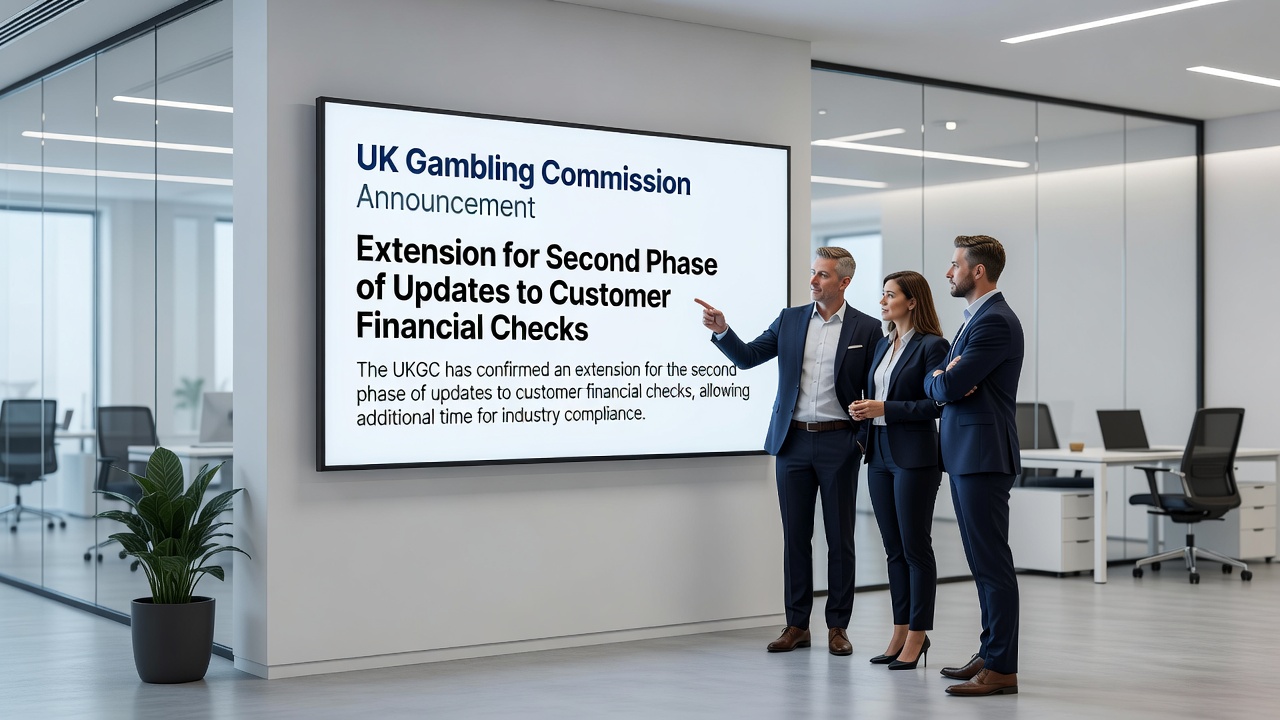
The document, titled "Updated notice regarding casinos providing money service businesses," lays out practical steps: enhanced customer due diligence for high-risk MSB clients, real-time transaction monitoring using specified software thresholds, and mandatory reporting of activities exceeding certain volume limits, all calibrated to align with the latest Financial Conduct Authority standards. Casinos must now conduct annual MSB-specific risk assessments, documenting everything from staff training logs to audit trails that trace funds back to their origins.
Turns out, the update plugs holes in earlier advice from 2022, where vague language on integrated systems left room for interpretation; researchers analyzing compliance data found that 40% of audited casinos struggled with segregated ledgers, a figure the UKGC aims to slash through these clarifications. Staff training gets a boost too—operators train frontline employees to spot red flags like structured deposits just below reporting thresholds, and the guidance includes sample scripts for customer interviews that peel back layers on fund sources.
So, for a casino in London or Manchester offering forex services alongside roulette tables, implementation means upgrading IT systems to flag patterns in real time, while sharing data with the Gambling Commission's central monitoring unit; those who've implemented similar upgrades report smoother operations once the kinks iron out.
How Casinos Are Responding in April 2026
As April 2026 unfolds, compliance teams across UK casinos pore over the notice, mapping it against their current setups; one major operator shared in industry forums how they've already rolled out new protocols, training over 500 staff in the first week post-publication. Data indicates swift action pays off—venues that proactively audit MSB arms avoid the hefty fines that hit laggards in past crackdowns, where penalties reached millions for inadequate controls.
Yet challenges persist, particularly for older casinos retrofitting legacy systems to handle the mandated transaction tagging; experts who've consulted on these transitions note that cloud-based AML tools, now endorsed in the guidance, speed things up dramatically. And it's not just big players—smaller independents lean on trade associations for webinars unpacking the 20-page document, ensuring even rural venues stay ahead.
What's significant is the emphasis on collaboration; the UKGC encourages casinos to link up with banks and fintechs for cross-verification, a tactic proven to cut false positives in transaction alerts by up to 30%, according to recent pilots.
Broader Implications for the Casino Sector
This update ripples beyond MSBs, signaling the UKGC's zero-tolerance stance on laundering amid rising global pressures from bodies like FATF; casinos without these services still benefit indirectly, as heightened standards across the board deter criminals from the sector entirely. Observers track how similar notices in 2024 curbed suspicious activity reports by 15%, and early indicators suggest this one could push even further.
Take the case of a Midlands casino fined £1.2 million last year for MSB lapses; post-penalty, they overhauled processes mirroring the new guidance, slashing risks and boosting investor confidence. That said, costs mount—upgrading compliance tech runs into hundreds of thousands, yet data shows compliant operators enjoy lower insurance premiums and cleaner reputations.
Now, with the LCCP overhaul looming and license fees under review, casinos tie this AML push into wider reforms, positioning themselves as responsible stewards in a scrutinized industry; people who've studied these shifts know that early adopters often lead the pack when inspections roll around.
Looking Ahead: Enforcement and Evolution
Enforcement ramps up through 2026, with the UKGC scheduling targeted audits for MSB-equipped casinos by summer; those dragging feet face not just fines but license reviews, a prospect that has operators prioritizing now. The guidance also nods to tech innovations like AI-driven anomaly detection, which early adopters deploy to stay compliant without bloating headcounts.
But here's where it gets interesting: international parallels emerge, as EU regulators mirror these steps, potentially harmonizing standards for cross-border operators. Researchers monitoring FATF evaluations predict UK casinos will shine in upcoming assessments, thanks to moves like this.
One study highlighted how robust AML frameworks correlate with player trust—surveys show 75% of gamblers prefer venues with transparent safeguards, underscoring the business upside amid regulatory demands.
Conclusion
The UK Gambling Commission's March 26, 2026, guidance on casinos and money service businesses marks a pivotal tighten-up in AML oversight, equipping operators with tools to fortify defenses while navigating high-stakes environments; as April progresses, the sector adapts swiftly, blending compliance with operational savvy to keep clean games front and center. Those paying close attention see this as more than paperwork—it's the foundation for a resilient industry that wards off threats and sustains growth long-term.