UK Government Opens Consultation on Gambling Commission Licence Fee Increases for Enhanced Regulation
UK Government Opens Consultation on Gambling Commission Licence Fee Increases for Enhanced Regulation
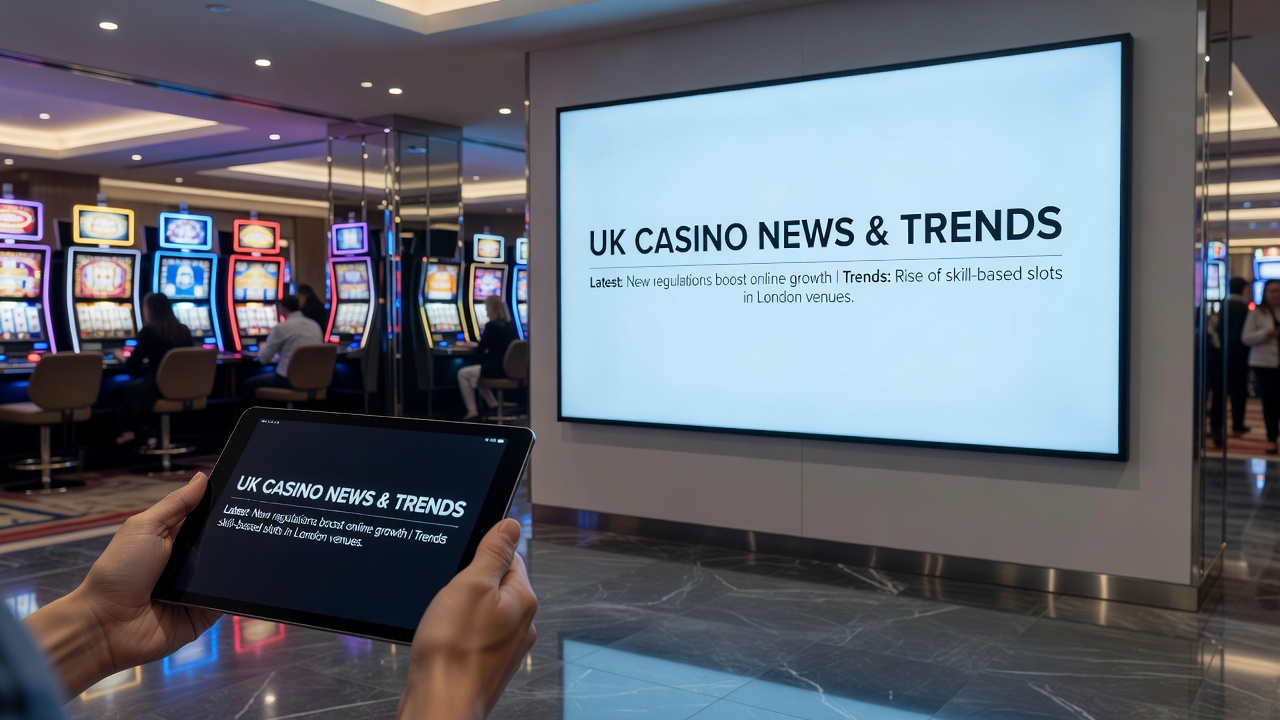
The Launch of the Consultation
The Department for Culture, Media & Sport (DCMS) has kicked off a public consultation focused on ramping up Gambling Commission operating licence fees, aiming squarely at full cost recovery while bolstering regulatory oversight in the UK's gambling sector; this move comes as part of broader efforts to align fees with the actual expenses of supervision and enforcement. Operators across remote and non-remote gambling activities will feel the pinch, but the proposals zero in on harmonising fees for physical casino premises under the 1968 Gaming Act and the 2005 Gambling Act, changes that tie directly into upcoming 2025 legislation reshaping casino operations. What's interesting here is how these adjustments seek to make fees fairer by factoring in market share and regulatory risk, ensuring bigger players with higher risks shoulder more of the load.
And while the consultation lays out three distinct options for annual fee uplifts ranging from 20% to 30%, each tailored through those market and risk metrics, the Gambling Commission itself backs Option 1 as the preferred path forward; data accompanying the proposals underscores the rationale, showing current fees fall short of covering regulatory costs by significant margins. Remote casino operators stand out as particularly affected, given their slice of the market and the compliance demands they face, with all changes slated to roll out from 1 October 2026 if approved.
Breaking Down the Fee Proposals
At the heart of this consultation sit those three options for fee increases, each designed to bridge the gap between what the Gambling Commission collects now and the full spectrum of its operational needs; Option 1, the Commission's top pick, proposes a baseline 25% uplift adjusted dynamically by an operator's gross gambling yield (GGY) share and a risk-based multiplier, meaning high-risk remote casinos could see hikes pushing toward the upper 30% mark while lower-risk entities pay less. Option 2 dials it back slightly to a 20% base with similar adjustments, whereas Option 3 goes bolder at 30% across the board, fine-tuned by the same factors; turns out, these aren't blanket increases but smart calibrations that reflect real-world data on who generates the most regulatory scrutiny.
Take non-remote casinos, for instance: upcoming legislation in 2025 will merge the old 1968 Act licences with those under the 2005 Act, prompting a full harmonisation of fees to eliminate discrepancies that have lingered for years; observers note this levels the playing field for land-based venues, where one study from the Commission's recent figures reveals non-remote casino fees currently lag behind remote counterparts by up to 15% in relative terms. But here's the thing: remote operators, dominating over 70% of the casino market according to Industry Statistics Annual Report (April 2024 to March 2025), face the steepest climbs because their digital scale amplifies compliance costs like consumer protection monitoring and anti-money laundering checks.
Fees won't stop at these uplifts either; the consultation floats ongoing annual adjustments pegged to inflation plus a regulatory cost index, ensuring the Commission stays funded without constant consultations, and that's where March 2026 enters the picture as a key milestone for transitional arrangements before the October launch. People who've tracked these cycles know such mechanisms keep pace with rising demands, like the enhanced checks post the 2023 affordability trials.
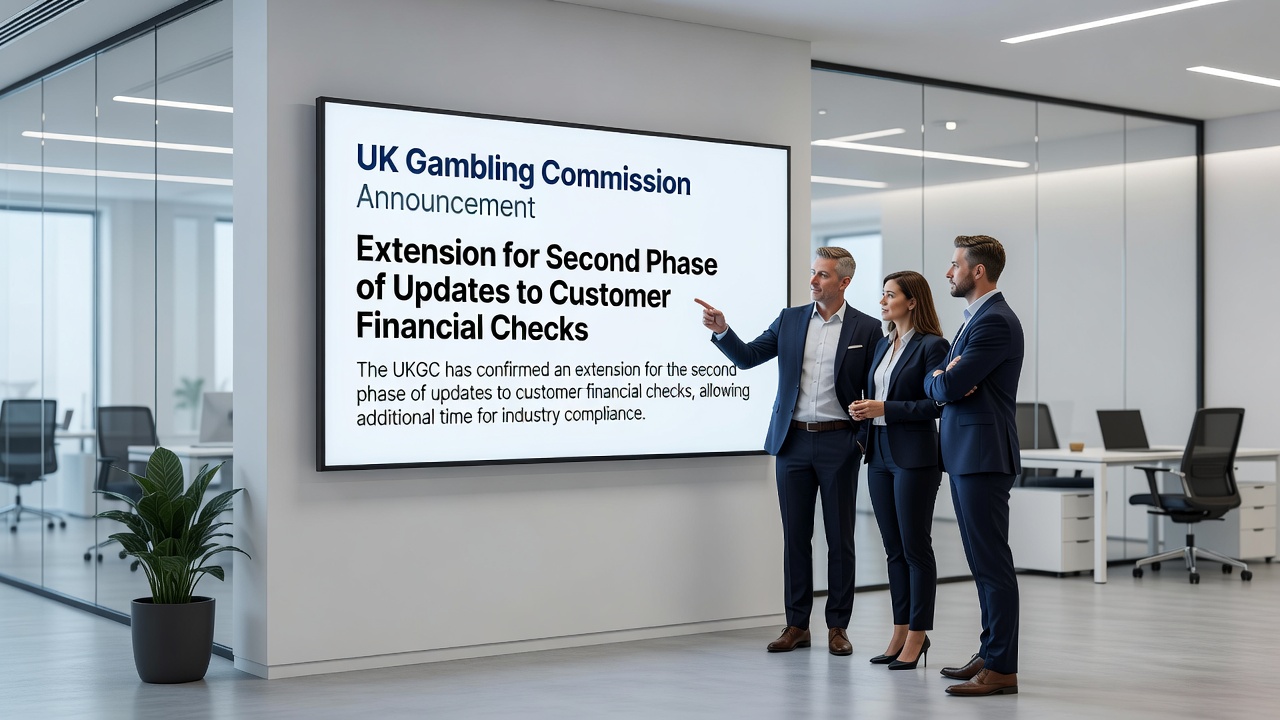
Why These Changes Matter for Operators
Remote casino operators, already navigating tight margins in a competitive online landscape, will grapple with the most immediate impacts since their fees scale with GGY bands that capture high-volume digital play; data from the consultation shows a mid-tier remote casino with 5% market share and elevated risk could see annual fees jump by £150,000 or more under Option 1, while smaller peers escape with proportionally lighter burdens. Non-remote casinos benefit from the harmonisation, though, as 1968 Act holders transition smoothly without punitive overlaps, a process the 2025 premises licence reforms facilitate seamlessly.
Yet the broader picture reveals a sector-wide shift toward sustainability; the Gambling Commission reports current fees recover just 85% of costs, leaving a £20 million shortfall that taxpayers indirectly cover, and these proposals aim to close that loop entirely by 2027. Experts who've analyzed similar reforms, like the 2022 personal licences uplift, point out how risk-adjusted models prevented smaller operators from buckling under uniform hikes, a lesson baked into these options. So operators gear up by reviewing their GGY forecasts and risk profiles now, especially with the consultation running through early 2026.
There's this case from recent Commission enforcement where a remote operator's lax compliance led to multimillion fines, highlighting exactly why risk-weighting makes sense; low-risk players with strong track records pay less, incentivizing better practices across the board, and that's the rubber meeting the road for long-term sector health.
The Gambling Commission's Stance and Supporting Data
The Gambling Commission doesn't mince words in endorsing Option 1, arguing it strikes the optimal balance between cost recovery and proportionality; accompanying data breaks down projected revenues, with Option 1 forecasted to generate £95 million annually by 2027-28, up from £72 million today, while sparing micro-operators from disproportionate hits. Figures reveal remote general betting and casino licences drive 60% of the uplift needs due to their volume, whereas society lotteries and bingo see minimal changes since their risks stay low.
And for those diving deeper, the full consultation document at gov.uk lays out impact assessments, including how March 2026 serves as a buffer for fee notifications ahead of the October switchover. Observers note the Commission's transparency here builds trust, much like their quarterly stats drops that keep the industry informed.
Now, smaller operators often worry about pass-through costs to consumers, but evidence from past uplifts suggests absorption through efficiencies rather than price hikes; one analysis showed only 2-3% of fee increases trickled to bettors in prior rounds.
Timeline and Next Steps
Consultation responses pour in until mid-2026, with DCMS set to analyze feedback through summer; decisions land by late 2026, paving the way for the 1 October implementation, and transitional rules in March 2026 will grandfather existing licences at current rates for a grace period. Operators submit via the official portal, where risk self-assessments become crucial for accurate banding.
But the real game-changer lies in how this funds beefed-up regulation, from AI-driven monitoring to faster dispute resolutions, keeping the UK ahead in safer gambling. Those who've followed the LCCP overhauls know these fees fuel the front lines.
Conclusion
This consultation marks a pivotal step in modernizing Gambling Commission funding, harmonizing casino fees while tailoring uplifts to market realities and risks; with Option 1 leading the charge and data backing its feasibility, operators face a clear path to adaptation by October 2026. The sector watches closely as responses shape the final form, ensuring regulation matches the digital evolution of gambling in the UK, and that's where sustainable oversight takes root for years to come.